











Child abuse is an unacceptable aspect of society. Children should be protected from abuse in all its forms. Safeguarding and promoting the welfare of children is everyone’s responsibility. Everyone who comes into contact with children and their families has a role to play in safeguarding children.
What is Child Safeguarding?
Safeguarding means protecting vulnerable adults and children from abuse or neglect.
It involves ensuring that individuals have good access to healthcare and support to remain well.
It is wrong for vulnerable people to be treated by professionals with anything less than the same respect afforded to other patients.
Safeguarding ensures that individuals are supported to lead full and happy lives and have access to their full rights.
Safeguarding also includes the policies, procedures, and practices employed to actively prevent harm, abuse, and distress.
Before discussing Child Safeguarding, it is important to clarify some key terms:
- A child is defined as a person who is under 18 years of age
- A child at risk is a child who:
- Is experiencing or is at risk of abuse, neglect, or other forms of harm
- Has needs for care and support
Child safeguarding specifically focuses on preventative actions to ensure that all children are protected from deliberate or unintentional acts that could lead to risk or actual harm.
The goal of child safeguarding is to create and maintain a safe culture that is child-focused and community-driven through sustained and meaningful engagement with children, their families, communities, and all representatives.
Why Do We Need Child Safeguarding?
Child safeguarding is important because when trust is exploited and safeguarding standards fail, immense damage can occur, leading to long-term effects on the lives of children and their families.
The impact on a child’s physical, emotional, and mental health can be severe and long-lasting.
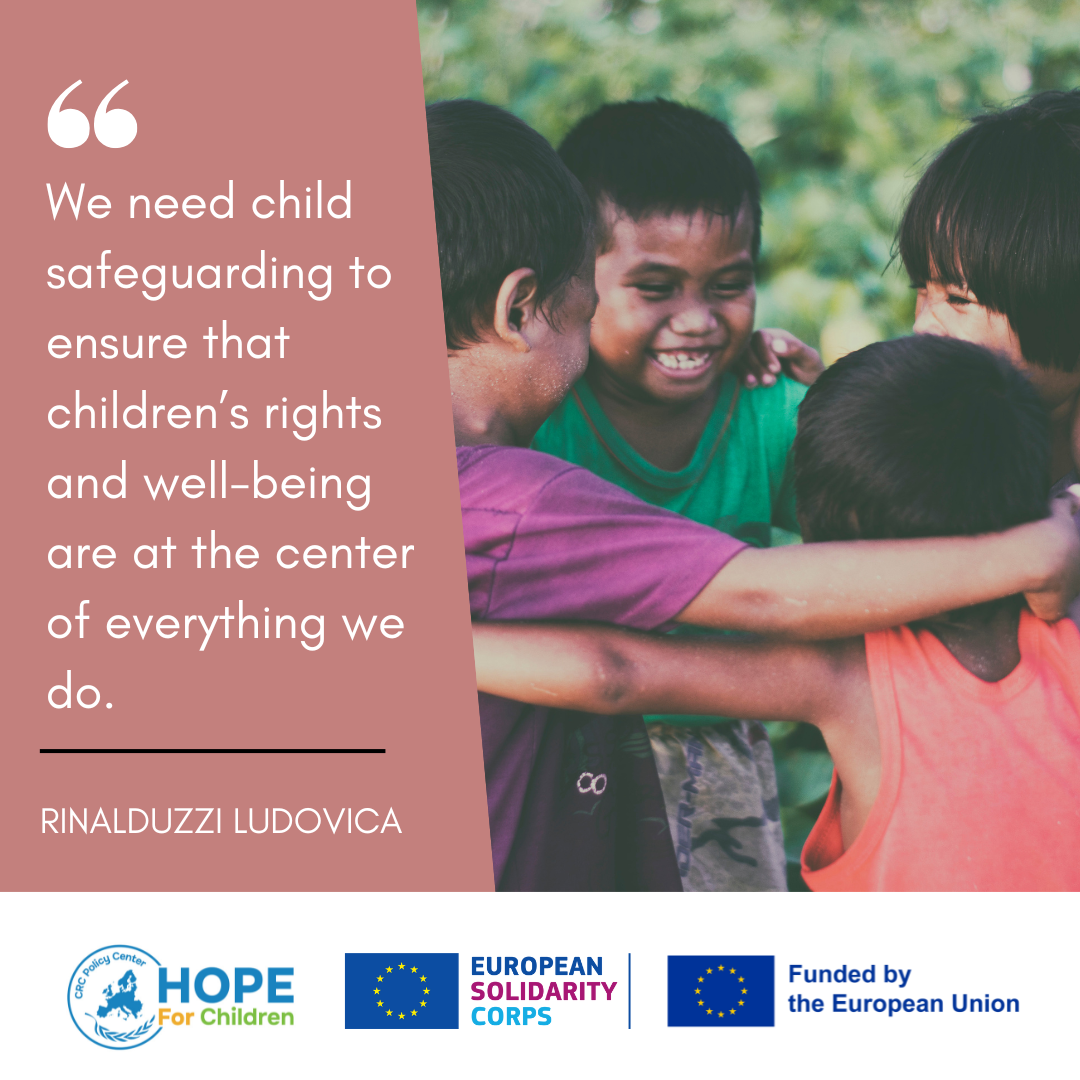
We need child safeguarding to ensure that children’s rights and well-being are at the center of everything we do.
It is also crucial for children to receive the right help at the right time to address risks and prevent issues from escalating.
All children have the right to be treated with respect and dignity.
The goal of child safeguarding is to create and maintain a safe culture that is child-focused and community-driven through sustained and meaningful engagement with children, their families, communities, and all representatives.
When child safeguarding policies are in place, organisations are better equipped to prevent and respond to child protection issues. It is also important to provide safeguarding training to ensure that all staff at every level feel empowered to protect children and report violations. By providing training, organisations promote a culture where safeguarding concerns are taken seriously, reported, and addressed. However, it is not just about having a policy; it is essential to ensure that there are procedures in place to implement that policy in practice, and that all information regarding those procedures is accessible in child-friendly language.