








Pedestrian Guide to Cyprus

People often talk about what one goes through when traveling to a new country, like the culture shock. In my previous experiences of going abroad, I have never had any issue with this. And I would say that I am also not...
Leaving to grow

It’s been a few weeks since I arrived in Cyprus, and I still have 304 days left to explore this country and embrace this new life, I still have plenty of time ahead of me. I tell myself I have plenty...
Service Learning: An Educational Approach for Active Citizenship
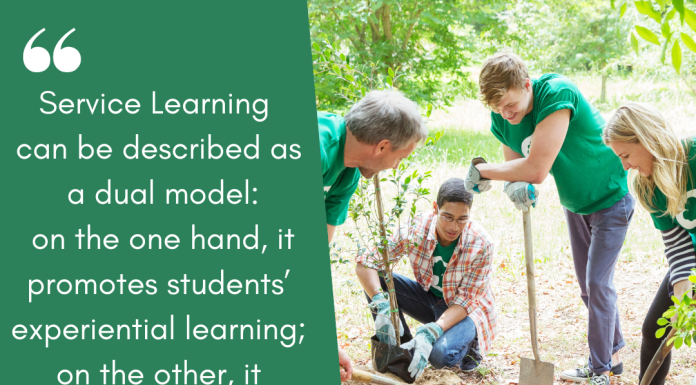
Service Learning (SL) represents today an educational proposal capable of combining learning with concrete engagement in the community, going well beyond traditional teaching methodologies. It is a pedagogical approach that encourages rethinking content and methods with the aim of improving and transforming...
Ethnopsychiatry: when care crosses cultures

What is an illness?
The answer is not always as simple as we usually think. Often, it changes depending on cultures, belief systems, and collective histories. In some cultures, the concept of “illness” is not viewed as something separate...
Unaccompanied Minors: What Happens When They Turn 18?

Turning 18 should be a milestone in everyone's life: it symbolizes the transition to adulthood, greater independence, and the opportunity to choose one's own future.
Instead, for many unaccompanied minors in Europe, reaching the age of majority seems more...
Promoting Self-Care Among Minors: an Educational Perspective

The concept of self-care has taken on an increasingly central role in educational, social, and reception contexts, moving beyond the reductive idea of an individual practice or one merely linked to physical well-being. Self-care is an aspect that concerns everyone: adults, professionals,...
Sharenting: The Boundary Between Sharing and Children’s Right to Privacy

Introduction
In an increasingly digital world, the safety of children navigating online using new digital tools and sharing platforms appears to be constantly threatened by serious risks that can lead them to become victims...
Protecting Children Online: Sexual and Economic Exploitation – Cyprus Insights
1. Introduction
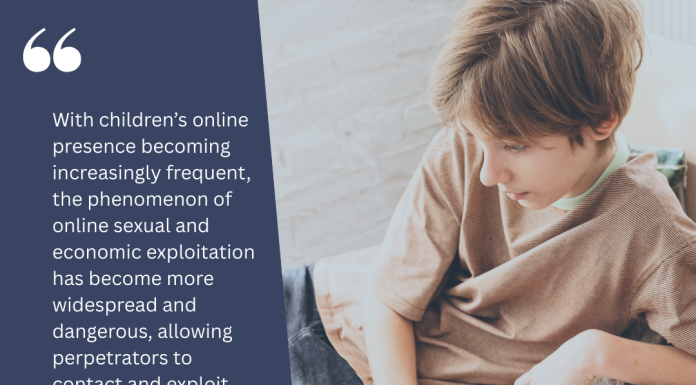
The internet has become an integral part of children's lives, offering a wide range of opportunities for learning, exploring, informing, and interacting with others. According to UNICEF, there is clear evidence that children and young people are spending more time in the digital...
Unaccompanied Minor Migrants and Gender Differences
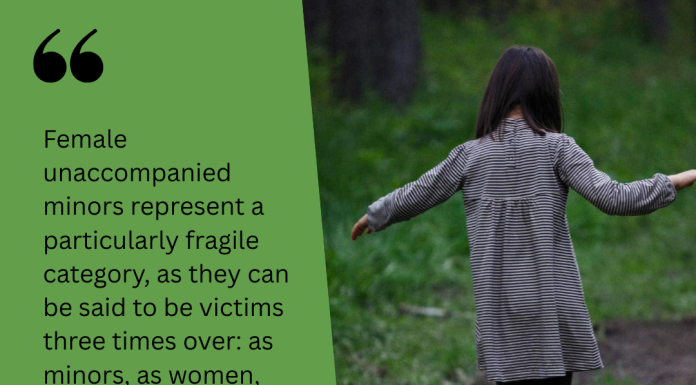
In recent decades, Europe has seen a significant increase in unaccompanied migrant children. This increase has led most states to strengthen their reception and protection systems.
According to UNICEF, in 2020, there were 36 million migrant children worldwide, with...
BUILDING TRUST IN COMPLEXITY: EDUCATIONAL RELATIONSHIPS WITH UNACCOMPANIED ADOLESCENT MINORS
I’m Tamara Pizzolato, a volunteer at Hope for Children CRC Policy Center (HFC) in the Humanitarian Division at Hope for Children’s Nicosia shelter and participating in the European Solidarity Corps program. I hold degrees in Pedagogy and Health Education, providing me with...